

Subtle yet beautiful, the Purple Finch brings rosy tones and a rich song to New Hampshire forests.
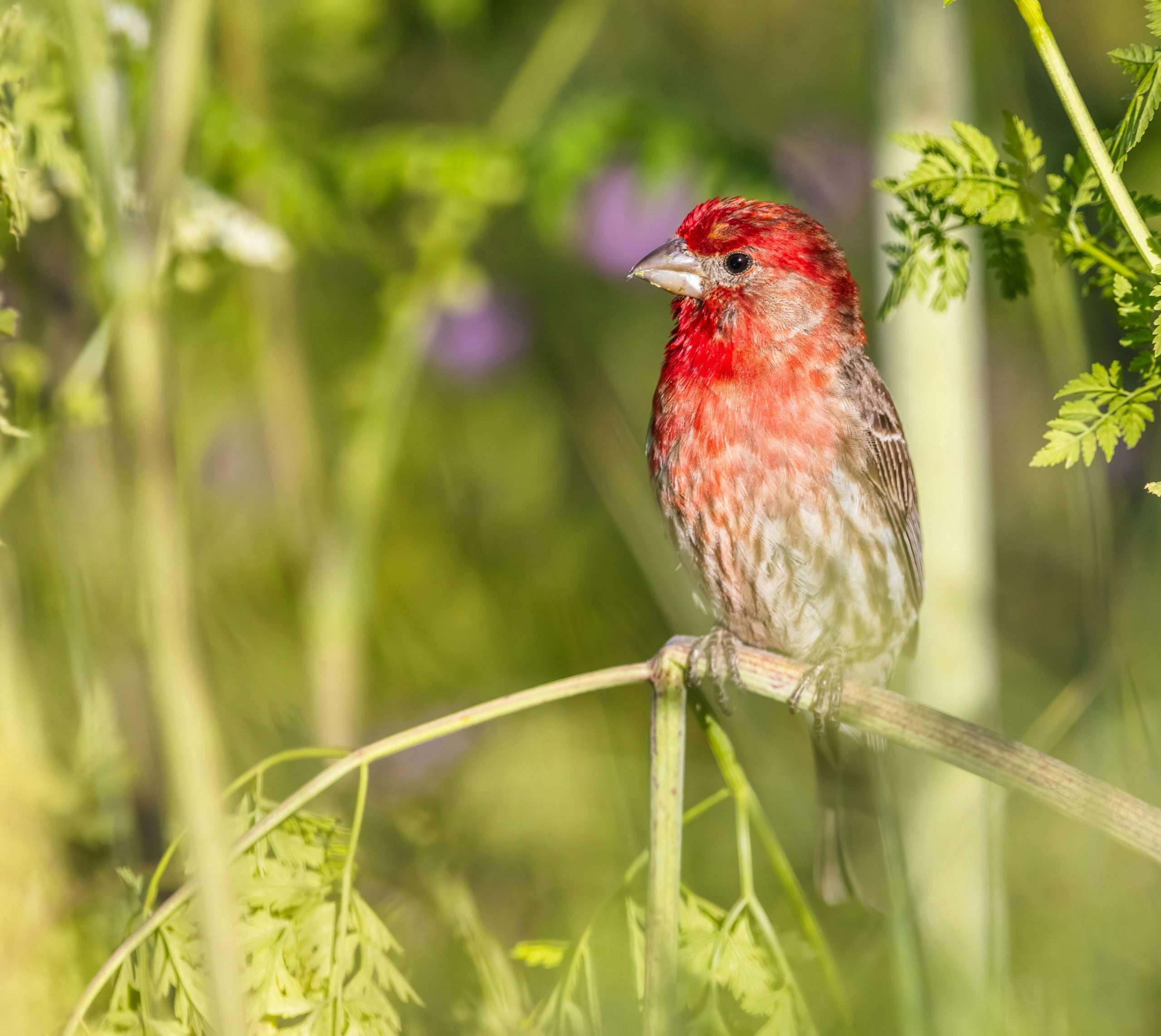
Males appear washed in red, while females show streaked brown patterns.
Their musical warbling is often heard before the bird is seen.
They prefer wooded areas but will visit feeders during certain seasons.
Sunflower seeds are especially effective at attracting them.
Quick Facts Table
Scientific Name: Haemorhous purpureus
Size (Length & Wingspan): 6–7 inches; 10–11 inch wingspan
Weight: 0.7–1.1 ounces
Lifespan: 3–6 years
Habitat: Forests, woodland edges, suburban areas
Diet: Seeds, berries, buds, insects
Range: Northeastern U.S., parts of Canada, migrates south in winter
Song/Call Description: Rich, warbling song with varied musical notes
Status in State: Common, especially in forested areas
Feeder Friendliness: High (seasonal visitor)
Overview
The Purple Finch is a colorful and melodic songbird that adds both sound and subtle beauty to New Hampshire landscapes. Often mistaken for other finches, it stands out with its raspberry-red coloring and flowing song.
Chosen as the state bird in 1957, the Purple Finch represents the natural beauty of New Hampshire’s forests. Its presence in wooded areas and its pleasant song make it a fitting symbol of the state.
While it is more common in natural habitats, the Purple Finch will readily visit backyard feeders, especially during colder months when food is harder to find.
Identification Guide
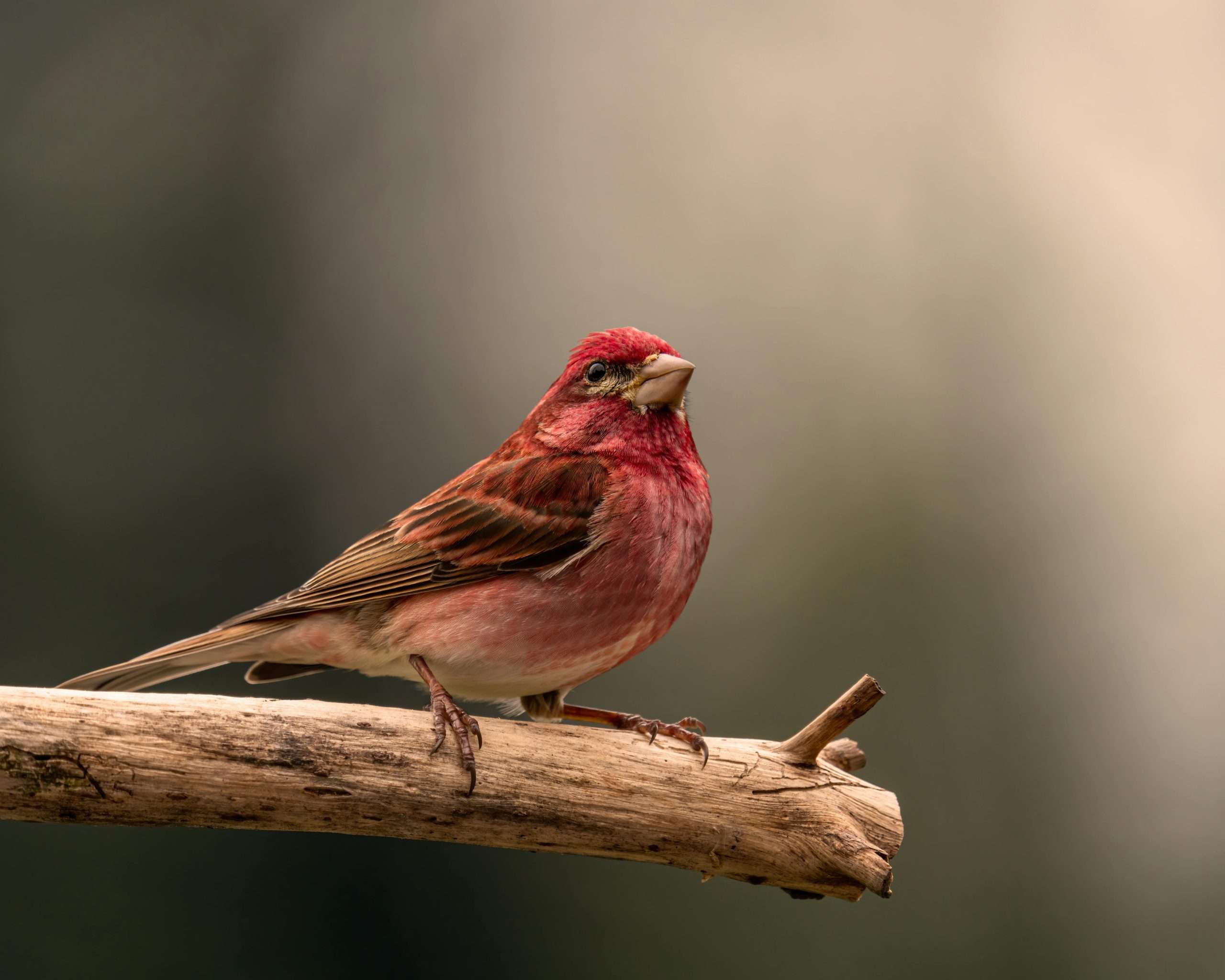
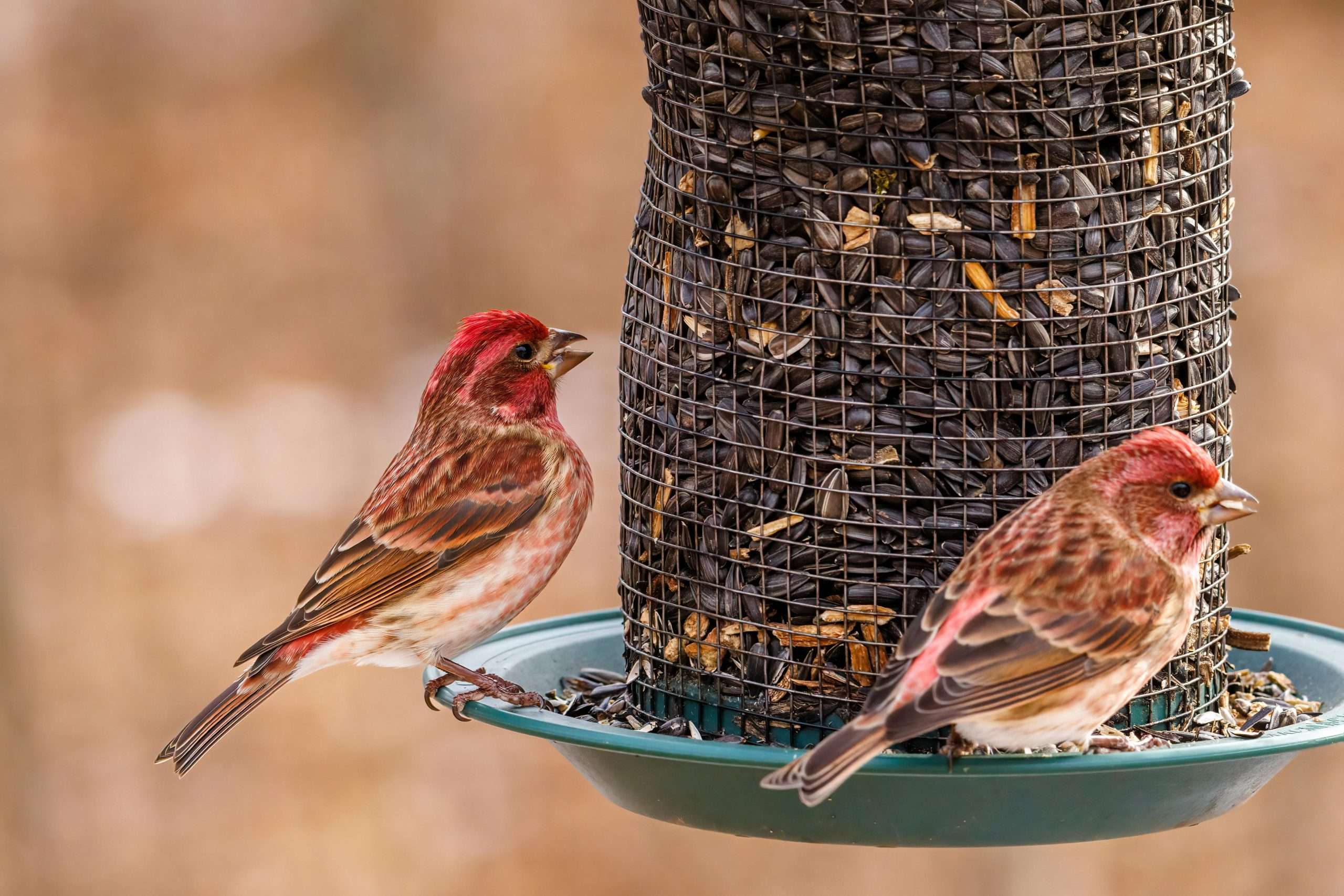
The Purple Finch is best known for its soft red coloration that appears as if the bird has been lightly dipped in raspberry juice. Males are more vibrant, while females are brown with bold streaks and a distinct white eyebrow.
Juveniles resemble females with streaked brown coloring and less defined markings.
In flight, they show a steady wingbeat and compact body shape, often traveling in small groups.
Quick ID Tip: Males appear “washed” in red rather than having sharply defined patches.
Quick ID Tip: Females show a strong white eyebrow and streaked underparts.
Habitat & Range
The Purple Finch is found across the northeastern United States and parts of Canada. In New Hampshire, it is commonly found in forests, woodland edges, and suburban neighborhoods.
Many Purple Finches migrate south for winter, but some remain year-round depending on food availability.
They thrive in both rural forests and developed areas with trees, making them a flexible and adaptable species.
Behavior
Purple Finches are active and social birds, often moving in small flocks outside of breeding season.
They feed both in trees and at feeders, using their strong beaks to crack seeds. They are known for singing frequently throughout the day, especially during breeding season.
They build nests in trees, often hidden among branches for protection.
These birds are generally comfortable around people and will visit feeders regularly when food is available.
Diet
- Primary foods include seeds, berries, and buds
- In warmer months, they also eat insects
- In winter, they rely more on seeds and fruit
- In the wild, they forage in trees for seeds and plant material
- Backyard feeding preferences include sunflower seeds and nyjer
How to Attract This Bird
Best feeders: Tube feeders, hopper feeders
Best food: Black oil sunflower seeds, nyjer seed
Key tip: Place feeders near trees or natural cover
To attract Purple Finch start with the feeders designed for seed-eating birds. You can also explore the Best Feeders For Purple Finch for more targeted setups.
If you’re just getting started, this guide on How to Attract Backyard Birds will help you build a complete setup.
Feeders & Setup Guide
🎯 Backyard Setup That Actually Works
Purple Finches respond well to consistent seed feeders placed near natural cover.
🪶 Ideal Feeder Types
- Tube feeders: Keeps seed dry and protected and limits larger birds
- Hopper feeders: Holds a large amount of seed and is easy for beginners
🌻 Best Foods to Use
⭐ Top Choice: Black oil sunflower seeds
- Secondary foods: Nyjer seed, sunflower chips
- Seasonal adjustments: Increase high-energy seeds in winter
🏡 Recommended Backyard Setup
- Place feeders near natural cover
- Keep feeders 5–10 feet from shelter
- Position feeders at different heights
- Use multiple feeders to reduce competition
💧 Water & Extras
- Birdbaths help birds feel secure
- Moving water increases activity
- Heated water is helpful in colder months
- Provide nearby trees for shelter
⚠️ Common Mistakes to Avoid
- Using the wrong type of seed
- Placing feeders too far from cover
- Overcrowding feeding areas
- Inconsistent feeder maintenance
🧠 Why This Setup Works
This setup matches the Purple Finch’s natural feeding behavior and preference for seeds, while providing safety through nearby cover.
Fun Facts
- This bird can sing long, complex melodies with multiple variations
- One surprising fact is that males get their color from pigments in their diet
- Unlike many birds, they often travel in small flocks outside breeding season
- It’s known for its rich, warbling song that carries through forests
- Interestingly, they may stay year-round if food is plentiful
Conservation Status
Purple Finch populations have declined in some areas due to competition and habitat changes.
They remain fairly common but are less abundant than in the past.
They are protected under migratory bird laws in the United States.
FAQ Section
What does the Purple Finch look like?
The Purple Finch is known for its rosy-red coloring in males and streaked brown appearance in females.
Where can you see it?
You’ll most often find them in forests, woodland edges, and backyard feeders in New Hampshire.
What do they typically eat?
Their diet mainly consists of seeds, berries, and insects.
Do they migrate or stay year-round?
In New Hampshire, some migrate while others stay depending on food availability.
How can you attract them to your yard?
The best way to attract them is by offering sunflower seeds and placing feeders near trees.