

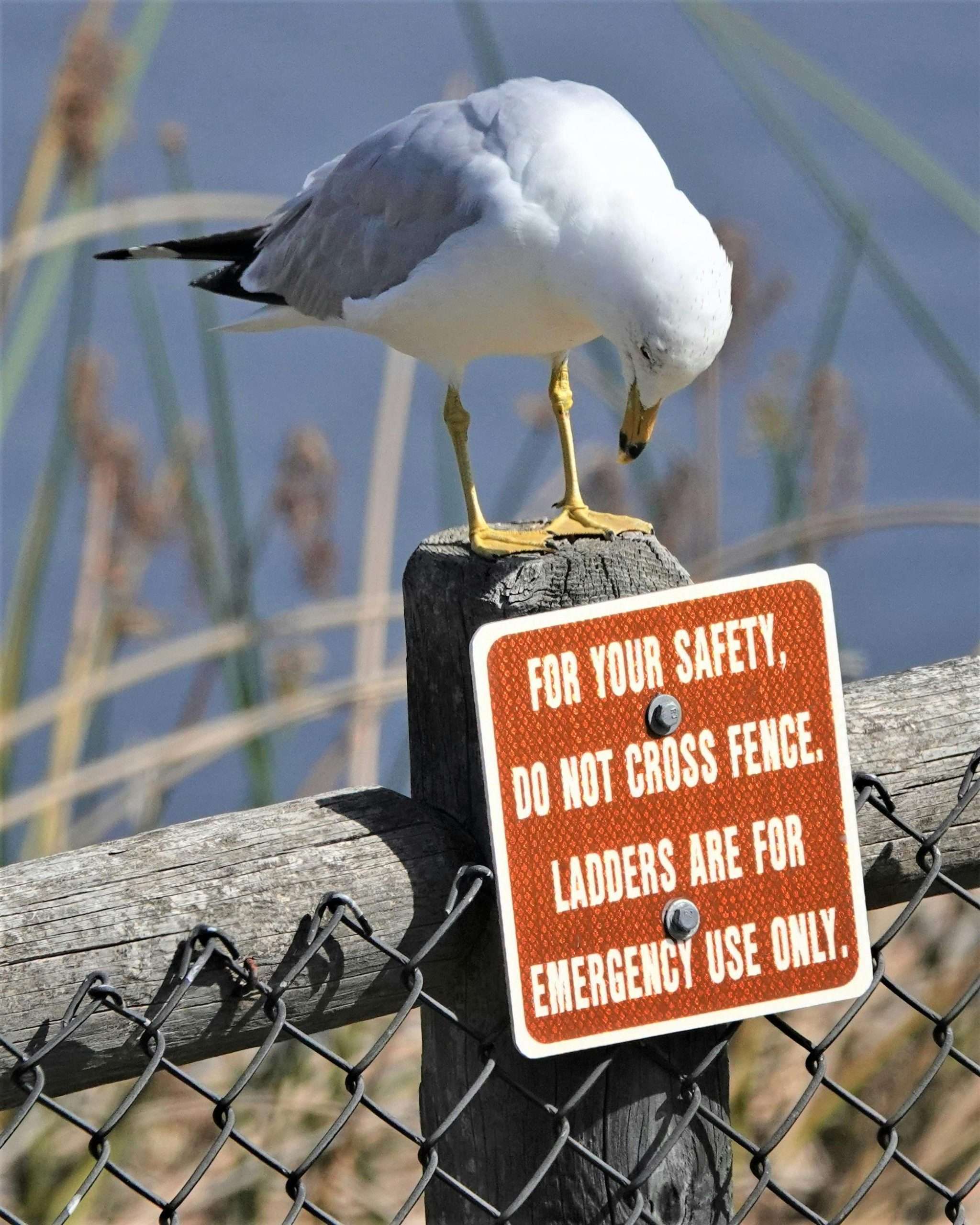
The California Gull is adaptable, social, and built for the open West. Strong in flight and rarely seen alone, these gulls are a common sight near Utah’s lakes, reservoirs, and agricultural fields. Their crisp gray-and-white plumage and distinctive red-and-black bill spot make them one of the easier gulls to identify — no small thing for a group notorious for looking alike.
Quick Facts
Scientific Name: Larus californicus
Size (Length & Wingspan): 18–22 inches; wingspan 48–54 inches
Weight: 1–2.5 pounds
Lifespan: 10–20 years
Habitat: Lakes, wetlands, shorelines, agricultural areas
Diet: Fish, insects, small animals, scraps
Range: Western North America
Song/Call Description: Loud, harsh calls and squawks
Status in State: Common seasonally
Feeder Friendliness: Very low
Overview
The California Gull holds a unique place in Utah’s history — and not just as a symbol. In 1848, swarms of Mormon crickets threatened to wipe out the pioneer settlers’ first crops in the Salt Lake Valley. Just when the harvest seemed lost, flocks of California Gulls descended and consumed the insects in massive numbers, saving enough of the crop to help the community survive. The event became known as the “Miracle of the Gulls” and is still commemorated today at Temple Square in Salt Lake City. It’s one of the few cases where a state bird earned its designation through a specific, documented moment in history.
Beyond its historical significance, the California Gull is a capable and highly adaptable bird. It breeds across the inland West — unlike many gull species that stick to coastlines — and the Great Salt Lake supports one of the largest California Gull nesting colonies in North America. During breeding season, tens of thousands gather on the lake’s islands, making Utah one of the best places in the country to observe this species up close.
Outside of nesting season, California Gulls range widely across the state, turning up at reservoirs, agricultural fields, parking lots, and landfills. They’re opportunistic feeders — fish, insects, rodents, eggs, and scraps are all fair game — which is a large part of what makes them so successful across such varied environments.
While you won’t attract one to a backyard feeder, keep an eye on open water and large open spaces. Where there’s a flock of large gulls wheeling overhead in Utah, there’s a good chance you’re looking at the state bird.
Identification Guide
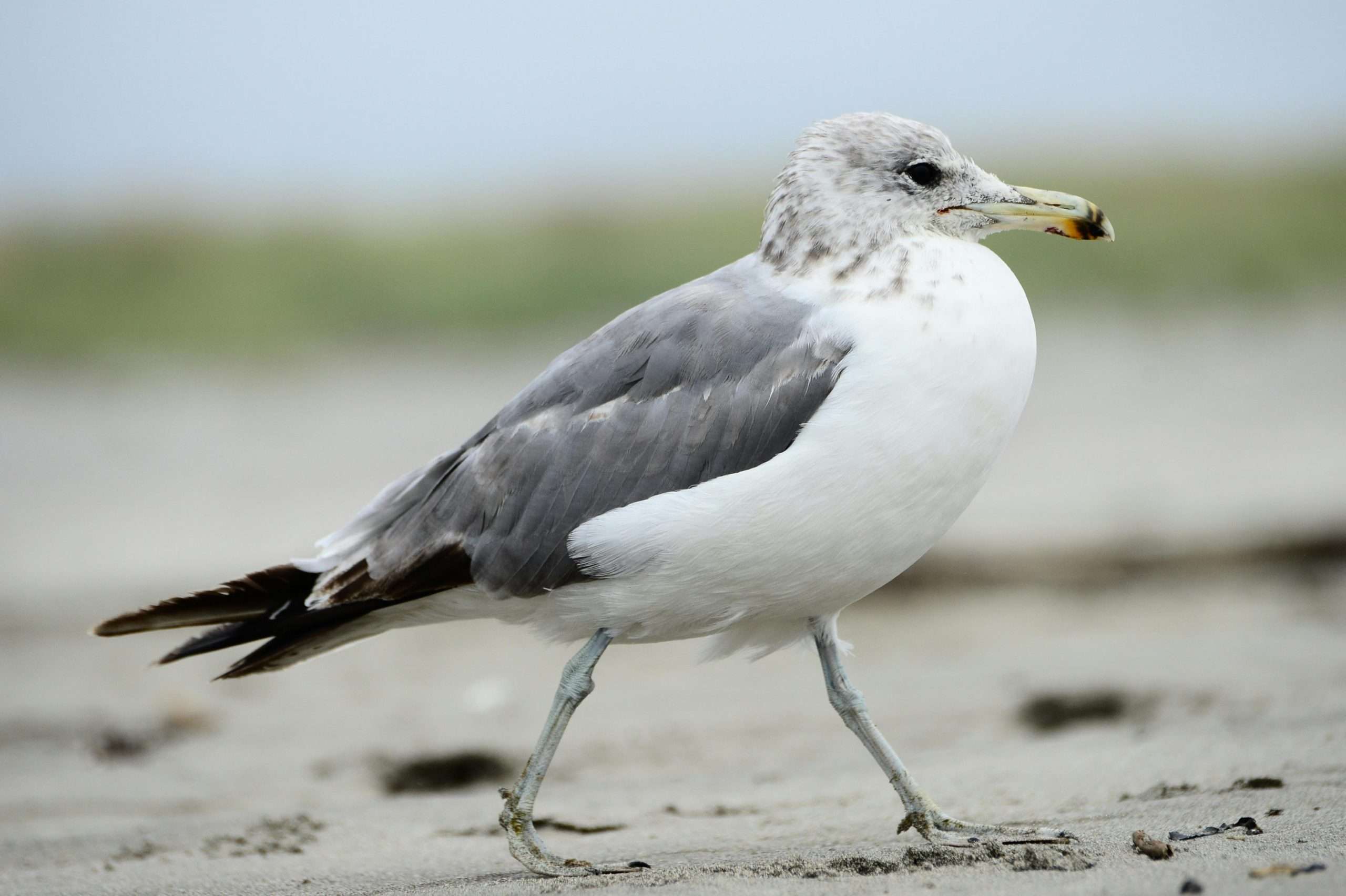
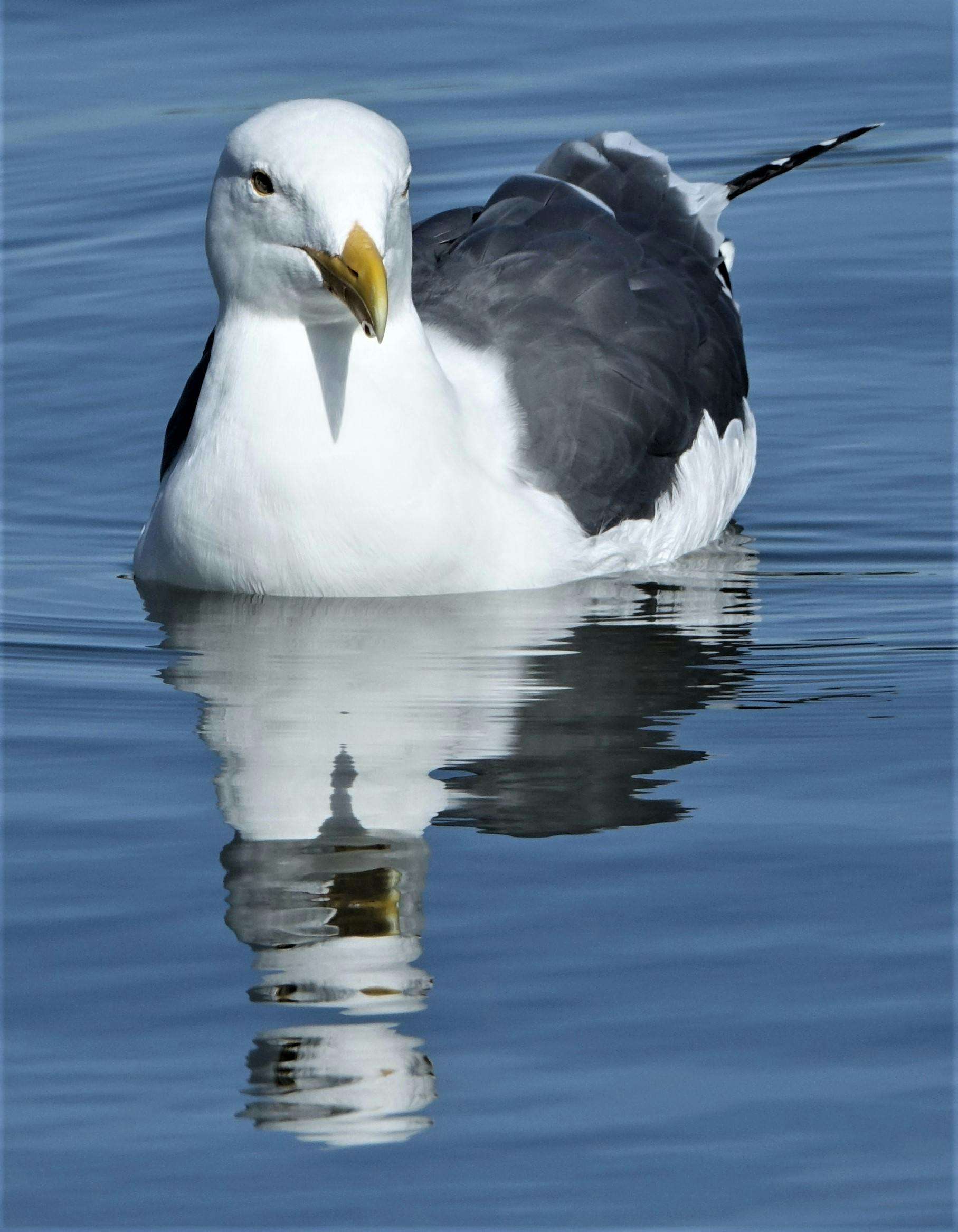
The California Gull has a clean gray back, white head and underparts, and black wingtips with white spots. Its bill is yellow with a small black and red marking near the tip.
Males and females look similar, while juveniles appear mottled brown and gradually develop the adult coloring over time.
In flight, they show long, broad wings and strong, steady wingbeats, often gliding effortlessly over water or land.
Quick ID Tips:
- Gray and white body with black wingtips
- Often seen in groups near water or open land
Habitat & Range
California Gulls are found across western North America, especially near large bodies of water.
In Utah, they are most commonly seen around lakes, wetlands, and agricultural areas. They are especially associated with the Great Salt Lake region.
They are migratory, with many birds moving depending on season and food availability.
Behavior
These gulls are highly social and often gather in large flocks. They are opportunistic feeders and will eat a wide variety of available food.
They nest in colonies, typically near water, where they can find safety in numbers. During breeding season, they may defend their nesting area.
They are comfortable around human activity and can often be seen near farms, roads, and urban edges.
Diet
- Primary foods: Fish, insects, small animals
- Seasonal changes: More insects during breeding season, varied diet otherwise
- In the wild: Feeds on insects in fields and near water
- Backyard feeding preferences: Not a feeder bird
How to Attract This Bird
Best feeders: Not applicable
Best food: Natural food sources
Key tip: Visit lakes and open water areas
The California Gull does not rely on backyard feeders and is best observed in natural habitats like lakes, wetlands, and open land.
If you’re looking to attract more feeder-friendly species, this guide on How to Attract Backyard Birds will help you build a complete setup.
Feeders & Setup Guide
🎯 Backyard Setup That Actually Works
This species is not suited to backyard feeding setups and is best appreciated in natural environments.
🪶 Ideal Feeder Types
- Not applicable for this species
🌻 Best Foods to Use
⭐ Top Choice: Natural food sources
- Fish and aquatic life
- Insects and small animals
🏡 Recommended Backyard Setup
- Not applicable for typical backyard setups
- Focus on visiting natural habitats instead
- Observe near lakes or open land
💧 Water & Extras
- Large natural water bodies are essential
- Fresh water is a major attractor in the wild
- Open space supports natural behavior
⚠️ Common Mistakes to Avoid
- Trying to attract them with seed feeders
- Feeding inappropriate human food
- Expecting regular backyard visits
- Ignoring their natural habitat needs
🧠 Why This Setup Works
This approach aligns with the gull’s natural behavior, which is centered around large water bodies and opportunistic feeding rather than backyard feeding.
Fun Facts
- This bird played a role in Utah’s early agricultural history
- It can travel long distances in search of food
- Unlike many birds, it thrives in both natural and human-influenced areas
- It often feeds in large, noisy groups
- Its strong wings allow it to glide for long periods
Conservation Status
The California Gull has a stable population and is considered a species of least concern.
It benefits from its adaptability, though habitat changes and pollution can impact local populations.
It is protected under the Migratory Bird Treaty Act.
FAQ Section
What does the California Gull look like?
The California Gull is known for its gray and white body with black wingtips and a yellow bill.
Where can you see it in Utah?
You’ll most often find them near lakes, wetlands, and open areas like the Great Salt Lake.
What do they typically eat?
Their diet mainly consists of fish, insects, and small animals.
Do they migrate?
Yes, they move seasonally depending on food and environmental conditions.
How do you attract them to your yard?
The best way to observe them is by visiting natural habitats rather than trying to attract them to feeders.